A natural wonder
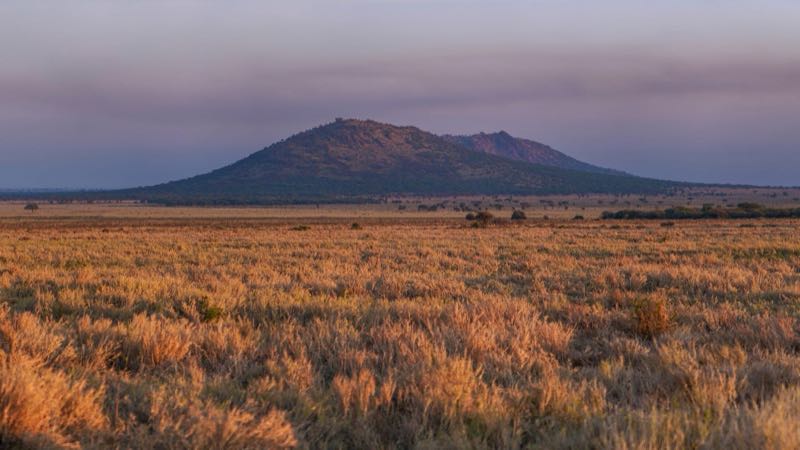
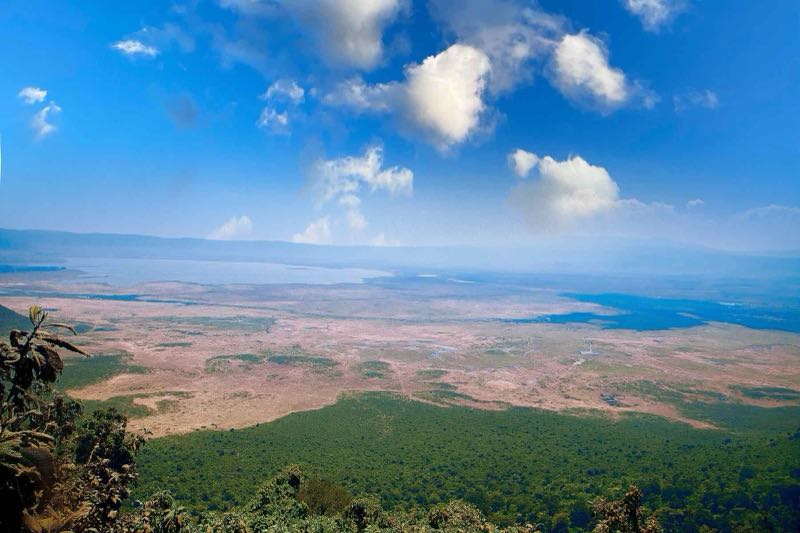
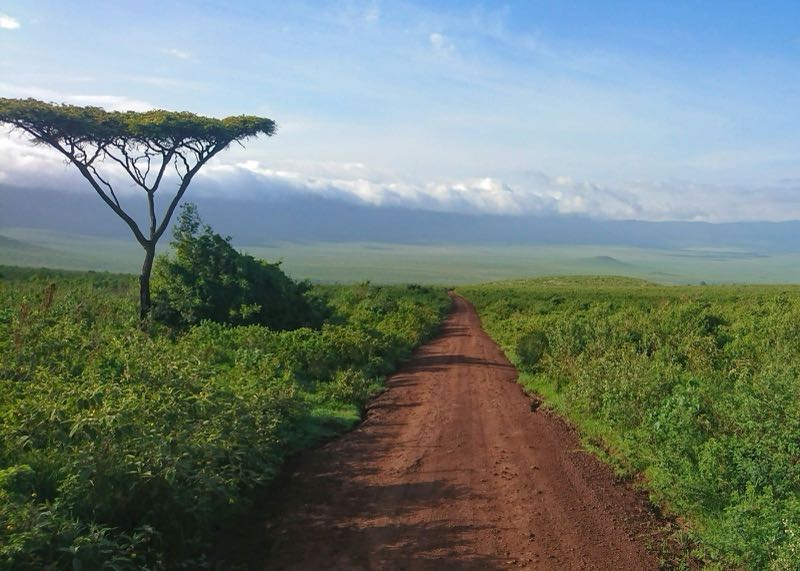
The Ngorongoro Crater formed when a giant volcano collapsed millions of years ago. Today its walls rise around 600 metres above a floor of grassland, swamps, soda lake and acacia forest — a natural amphitheatre that is home to an extraordinary concentration of wildlife. It sits within the Ngorongoro Conservation Area, a UNESCO World Heritage Site where Maasai pastoralists still live alongside the animals.
What you can see
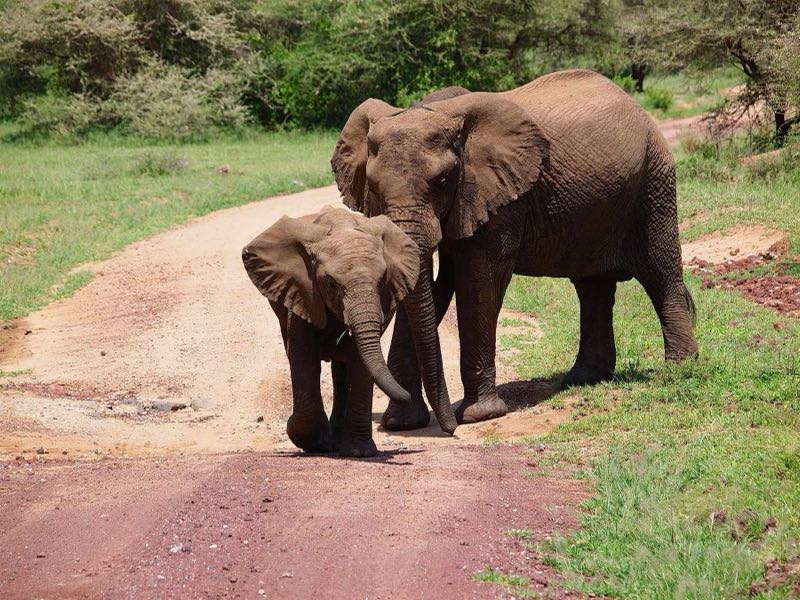
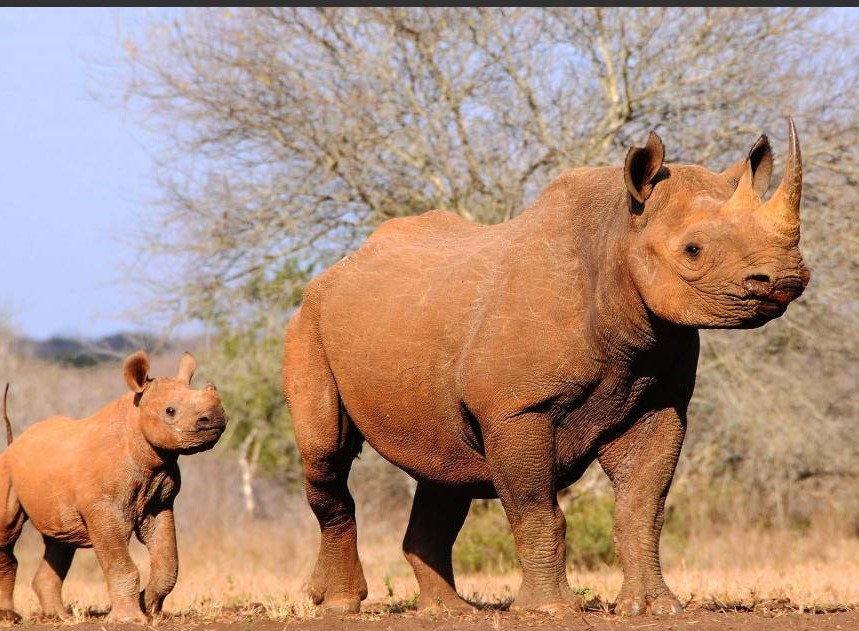
- The Big Five — Ngorongoro is one of the best places in Tanzania to see lion, elephant, buffalo, leopard and the endangered black rhino in a single day.
- Flamingos on the soda waters of Lake Magadi (seasonal).
- Hippos at the Ngoitokitok spring — a favourite picnic stop.
- Maasai culture on the crater highlands, and Olduvai Gorge, one of the world's most important early-human sites, on the way to the Serengeti.
Ngorongoro as a day trip or overnight
Ngorongoro can be visited as a long day trip from Arusha or Karatu, but most guests stay a night on or near the crater rim for a sunrise descent, when the light is soft and the vehicles are few. It fits perfectly between Lake Manyara or Tarangire and the Serengeti.

Frequently asked questions
Can I do Ngorongoro Crater as a day trip from Arusha?
Yes. It's a long but rewarding day — leave Arusha early, spend the middle of the day on the crater floor and return in the evening. Staying overnight nearby makes for a more relaxed visit.
Will I see rhino in Ngorongoro?
Ngorongoro is one of the best places in Tanzania to see the endangered black rhino, although sightings are never guaranteed. Our guides know the areas they favour.
When is the best time to visit Ngorongoro?
Ngorongoro is excellent all year because wildlife stays in the crater. The green season (November–May) is lush and quieter; the dry season (June–October) offers easy viewing.