Why the Serengeti is unforgettable
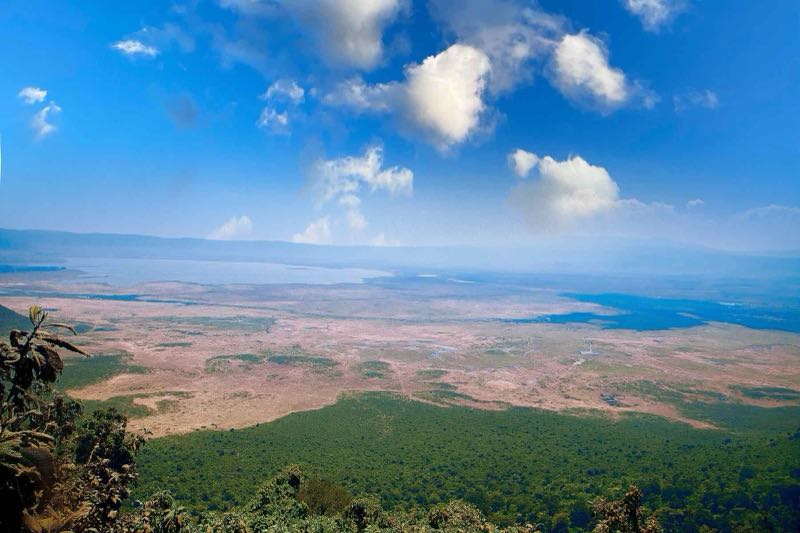
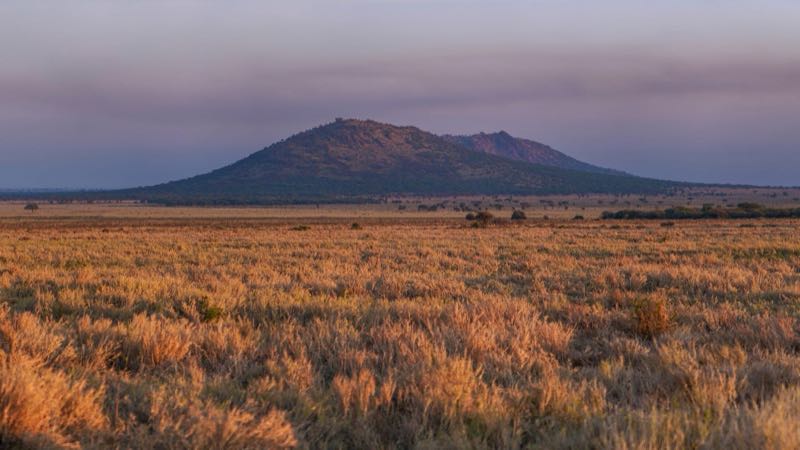
Covering roughly 14,750 km², the Serengeti is a UNESCO World Heritage Site and the heart of one of the largest wildlife ecosystems on earth. Its name comes from the Maasai word siringet — "the place where the land runs on forever" — and once you're out on the plains, you'll understand why.
A private Serengeti safari with Gallop means your own vehicle, your own guide and your own pace. Stay longer with a lion pride, wait at a river crossing, or stop the engine simply to listen. We plan routes around the season, the herds and the sightings you care about most.
What you can see
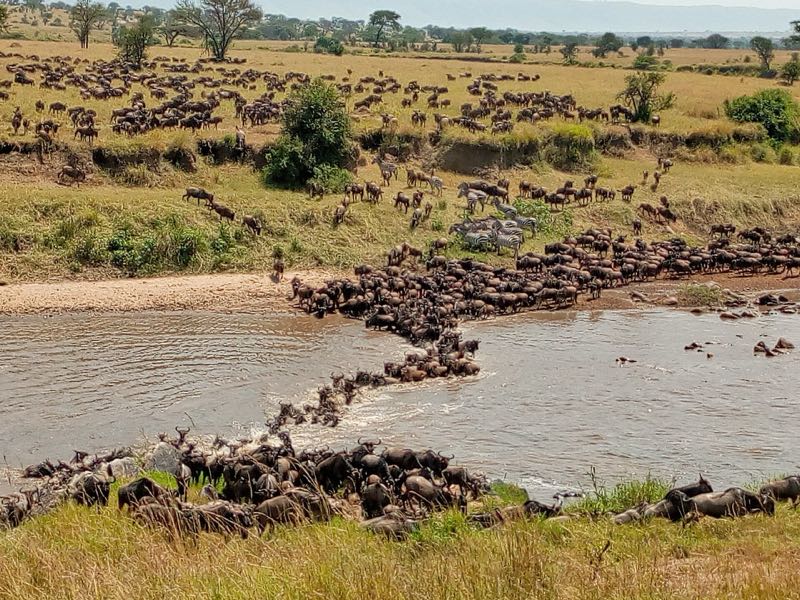
- The Great Migration — over a million wildebeest with zebra and gazelle moving in a vast loop through the ecosystem.
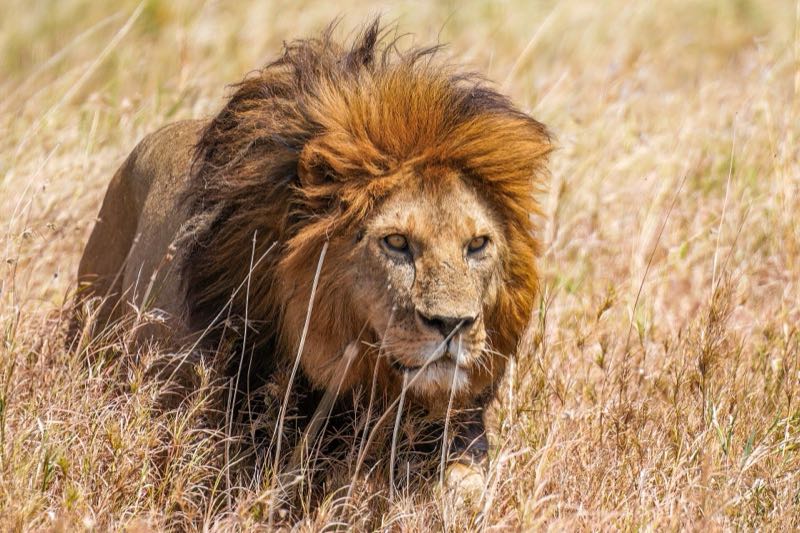
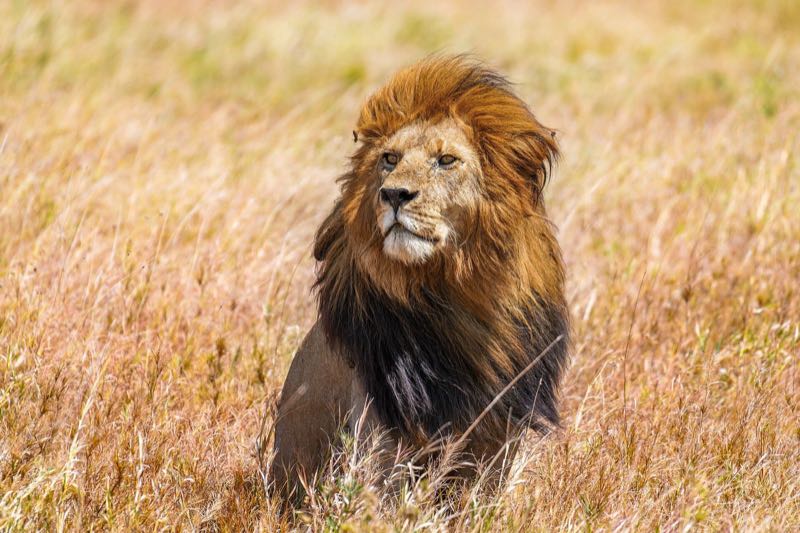
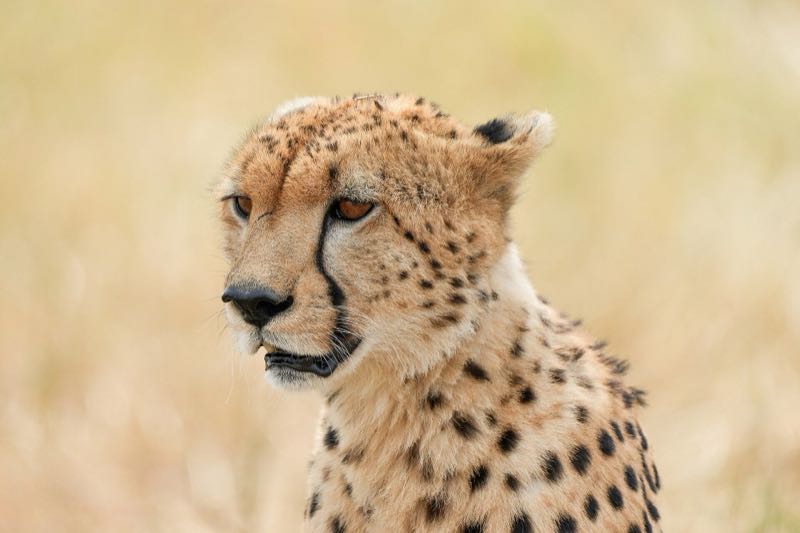
- Big cats — lions on the kopjes of Seronera, leopards in the sausage trees along the rivers, and cheetahs hunting on the short-grass plains.
- Elephants, giraffes, buffalo and hippos in the river valleys and woodlands.
- Hot-air balloon safaris at sunrise, followed by a bush breakfast (optional extra).
Serengeti areas & when to visit them
Central Serengeti (Seronera) has excellent resident wildlife all year and is ideal for a first safari. Southern Serengeti and Ndutu host the calving season from roughly January to March, when predators follow the herds. The Western Corridor sees Grumeti River crossings around June–July, while the Northern Serengeti (Kogatende) is famous for the Mara River crossings from about July to October.
Animal movements depend on the rains, so dates shift from year to year — we'll advise on the best area for your travel dates. Read our Great Migration month-by-month guide for more detail.
How long to stay
We recommend at least two full days in the Serengeti, and three or four if the migration is a priority. Most guests combine it with Ngorongoro Crater and Tarangire — see our 4-day classic safari or extend to the beach with the 8-day Bush & Beach Escape.
Frequently asked questions
When is the best time for a Serengeti safari?
The Serengeti is excellent all year. June to October is the dry season with easy game viewing and Mara River crossings in the north; January to February is calving season in the south. We'll match the area of the park to your dates.
How do I get to the Serengeti from Arusha?
By road it's roughly a 7–8 hour scenic drive via Ngorongoro, usually broken up with game drives. You can also take a scheduled light-aircraft flight from Arusha, which takes about an hour.
Is a private Serengeti safari worth it?
Yes — a private vehicle means you choose how long to stay at each sighting, when to start and finish, and where to focus. All Gallop safaris are private.